Most people only know about the schoolhouse.
They don’t know that the same four Lenape warriors struck the day before, July 25, 1764, in Peters Township near Bridgeport.
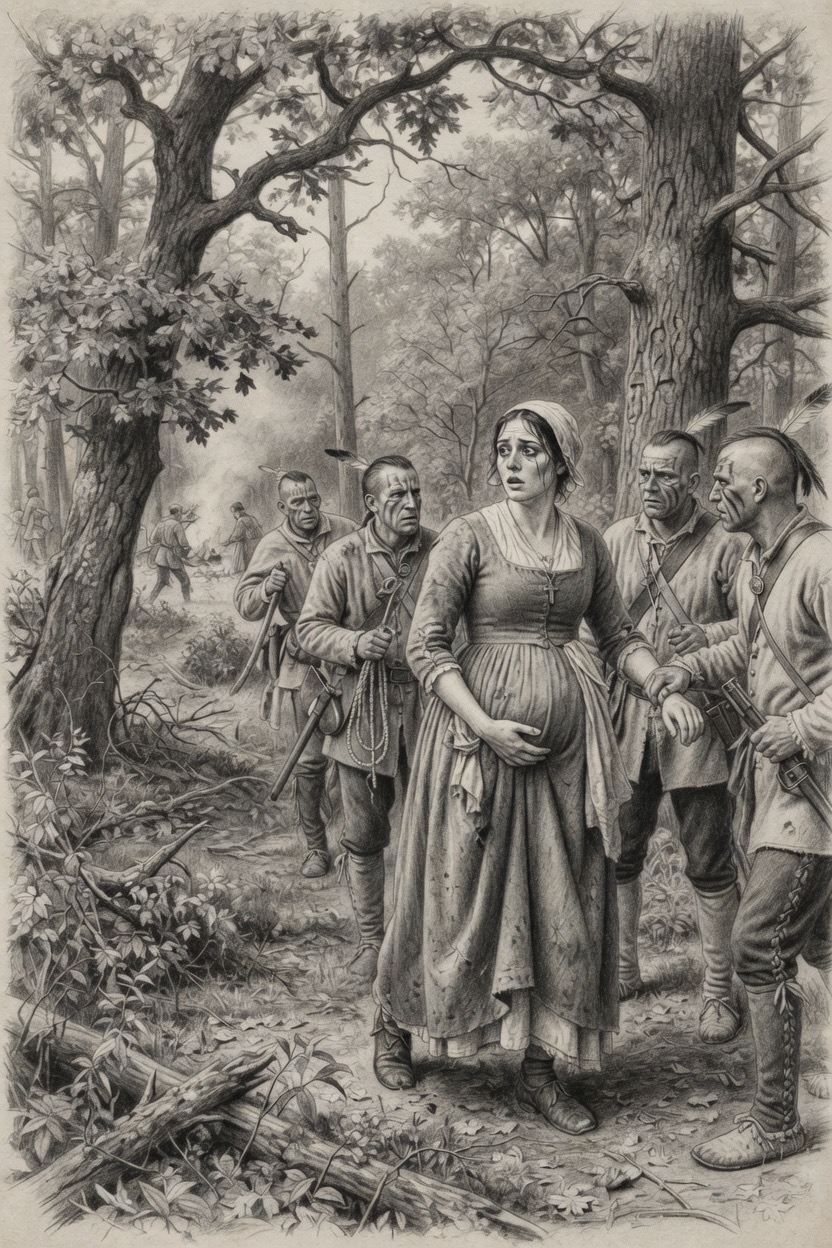
Susan King Cunningham was born about 1735, in what was then Cumberland County, Pennsylvania — which later became Franklin County. She was the daughter of Robert King, a Scotch-Irish settler. By the 1750s, Susan’s family had pushed west into the frontier of Peters Township. Around 1757, she married Hugh Cunningham. They settled on a homestead near the small settlement of Bridgeport, later known as Marks. Their home stood close to McDowell’s Mill and its stockaded fort. She was 29 years old and pregnant with another child.
On that July day she was walking through the woods to visit a neighbor when the warriors caught her. They beat her to death and scalped her. The warriors then cut the unborn child from her body and laid the infant on the ground beside her. That’s exactly how her family found her.
The very next morning those same warriors walked into Enoch Brown’s classroom. They killed the teacher and ten children, scalping every one of them. Only one boy lived.
These two killings — a pregnant mother and a classroom of kids — tore through the Conococheague Valley. Eight months later, that same fear and rage fueled the Black Boys Rebellion, when men from these hills painted their faces black, burned supply wagons, and twice attacked Fort Loudoun.
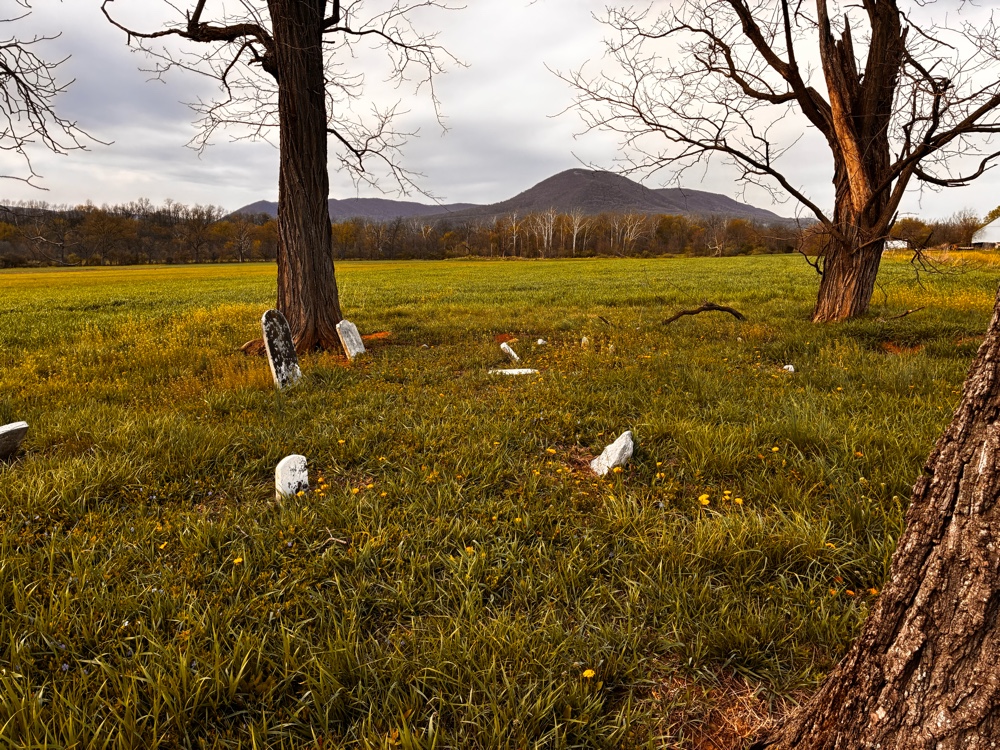
Susan has no grave marker. No plaque. No park. Nothing. Just a few forgotten lines in dusty books.
But out here, we remember the ones the history books left behind — because those are the stories that show how hard this land really was.
This is the kind of history we walk past every day out here in the backcountry, quiet ground that still remembers.
Sacred ground
 |

